A front door does not need to be replaced because it looks dated or needs one small adjustment. A worn sweep, tired weatherstripping, loose hinge screw, or hardware issue can often be corrected. Replacement becomes the better conversation when the door, frame, threshold, and weather details are no longer working together as a reliable entry.
The useful question is not simply how old the door is. It is whether it closes easily, locks securely, keeps weather outside, and still belongs to the home. This guide helps you separate a manageable repair from the signs that call for a complete assessment before you invest in a new front door.
Start by separating repair from replacement
A single symptom rarely tells the whole story. A draft at one corner may be caused by compressed weatherstripping. A latch that misses by a fraction can follow a loose hinge. Peeling paint can be a finish-maintenance project. When the door remains solid, the frame is dry and square, and the problem is isolated, a careful repair is usually the sensible first step.
Replacement becomes more compelling when several problems show up together or return after reasonable repairs. For example, a door that sticks, leaks around the threshold, shows soft wood at the jamb, and no longer latches cleanly is not asking for a new sweep alone. Each symptom may be showing the same underlying issue: movement, moisture, deterioration, or an opening that is no longer supporting the door properly.
The U.S. Department of Energy recommends addressing loose hinges, knobs, and strike plates before installing weatherstripping in its exterior-door weatherstripping guidance. That sequence helps avoid treating a fit problem as a seal problem. Start with the simplest truthful explanation, then move to a larger scope only when the evidence supports it.
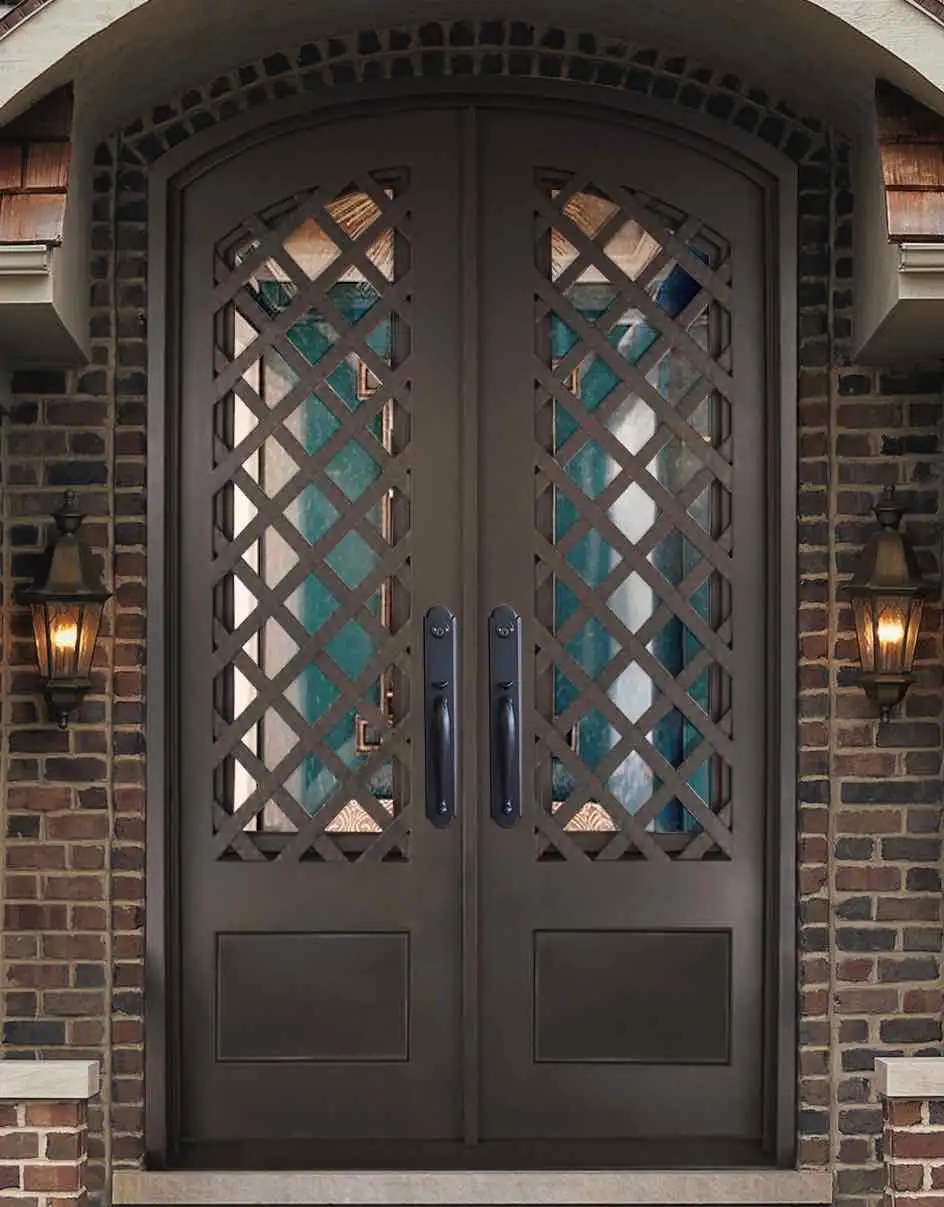
Notice how the door operates every day
A healthy exterior door should close with normal hand pressure, latch without being lifted or shoved, lock without dragging, and open without scraping the threshold. A change in that daily rhythm is worth noticing. Does the problem happen only after rain, during humid weather, or all year? Does the latch hit above or below the strike? Does the door rub at one corner? Those details reveal more than the fact that the door feels difficult.
Look at the reveal, the narrow gap around the top and sides of the closed door. It does not need to be perfectly identical, but it should look intentional and stay consistent. A sudden tight upper corner, a widening gap on the latch side, rub marks at the sill, or a door that needs to be lifted to latch can indicate hinge wear, frame movement, a shifted threshold, or moisture affecting the opening.
Do not force a heavy door closed or keep adjusting the strike plate to chase a changing fit. The front door latch guide explains how to distinguish a small strike-plate correction from a problem involving the hinges, frame, or threshold. If the fit keeps changing, document it with photos and a few notes about when it occurs.
Look for persistent drafts, water, and uneven sealing
Air movement and water are useful signals because they reveal whether the door is meeting its perimeter evenly. Start with basic maintenance. Check for flattened or torn weatherstripping, a worn door sweep, loose fasteners, and a threshold that has collected debris. A simple paper test around the closed door can show where the seal is weak. The paper should have similar resistance around the perimeter, rather than sliding freely at one point and crushing at another.
If a replacement seal solves the draft and the door still closes smoothly, replacement may not be necessary. If the draft returns quickly, daylight remains visible, water appears after rain, or the threshold stays wet, look further. The weatherstripping guide and bottom-of-door gap guide can help identify whether the problem is limited to the seal or connected to the way the complete opening is moving.
Water staining, swelling trim, soft wood, peeling finish that begins at the bottom, damp flooring, or corrosion around fasteners deserves prompt attention. The Department of Energy’s flashing overview explains why the sill, side, and head details must guide water outward from a door opening. A new door cannot solve a drainage path that remains behind the trim.
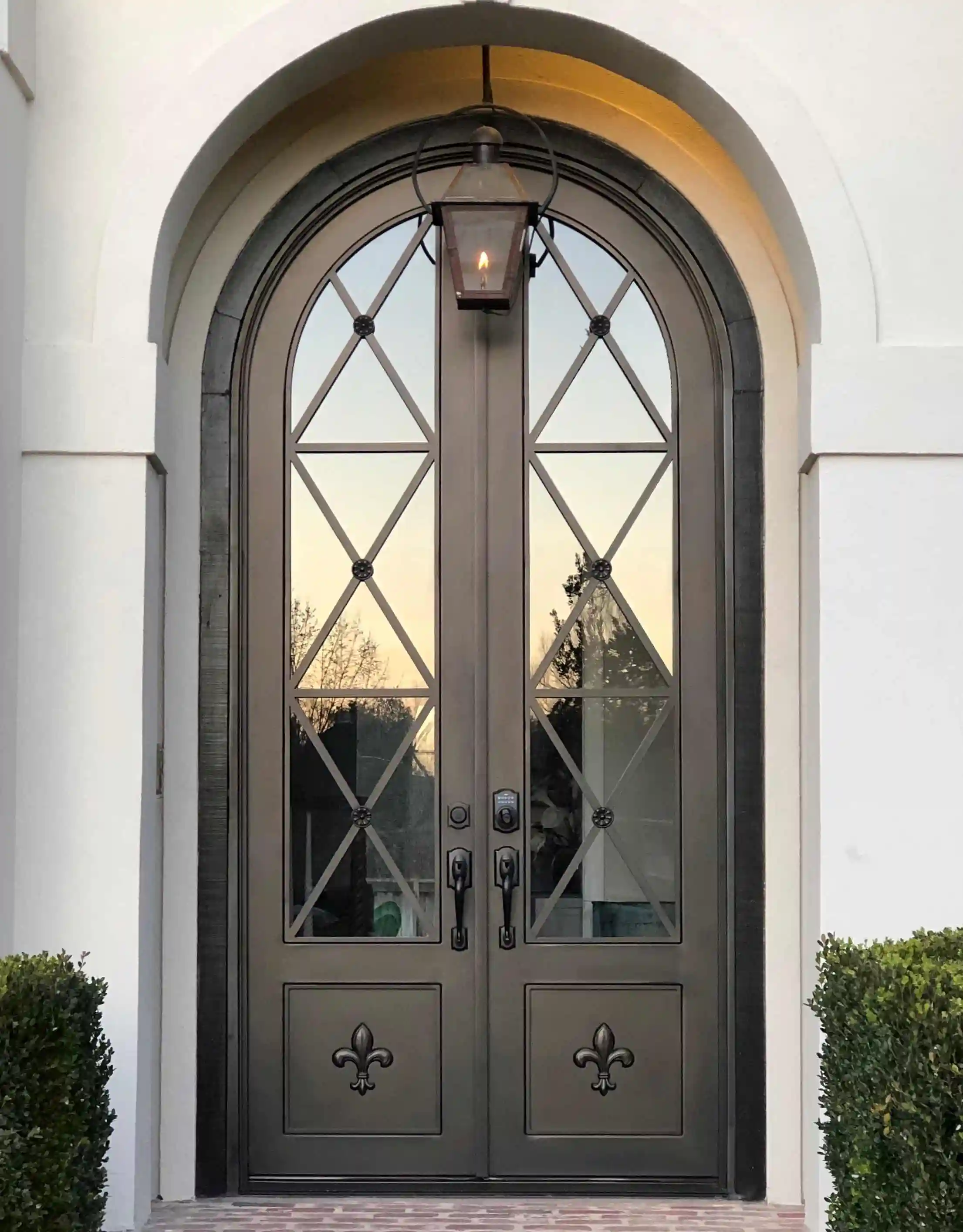
Inspect the door and frame condition before choosing a replacement
Look closely at the slab, frame, threshold, and lower corners. Cracks, splits, deep dents, delamination, rust that has progressed through the metal, broken glass, or warping can make a door difficult to restore reliably. Wood can show soft areas, dark staining, loose fibers, or recurring paint failure. The frame may show a cracked jamb, loose strike area, swollen trim, or a threshold that no longer sits firmly under the door.
Not every surface mark means the door has reached the end of its life. A skilled repair may be appropriate when damage is small, dry, and isolated. What changes the decision is condition that affects the door’s structure, fit, weather protection, or security. The Department of Energy’s window and door repair guidance notes that replacing the complete door and frame is appropriate when the frame is damaged beyond reasonable repair or surrounding wall work is needed.
For historic homes, pause before discarding a sound original door just because the finish is tired. The National Park Service advises considering repair and weatherization alongside replacement, particularly when original material contributes to the home’s character. The goal is a secure, weather-managed entry, not replacing good material for its own sake.
Include security, glass, and everyday use in the decision
A front door should feel secure without needing force to lock. A latch and deadbolt that work smoothly when the door is open but bind when it is closed can point to alignment rather than failed hardware. If the door will not secure normally, the jamb is damaged, the strike area is loose, or the glass is cracked, address the condition promptly rather than relying on a temporary workaround.
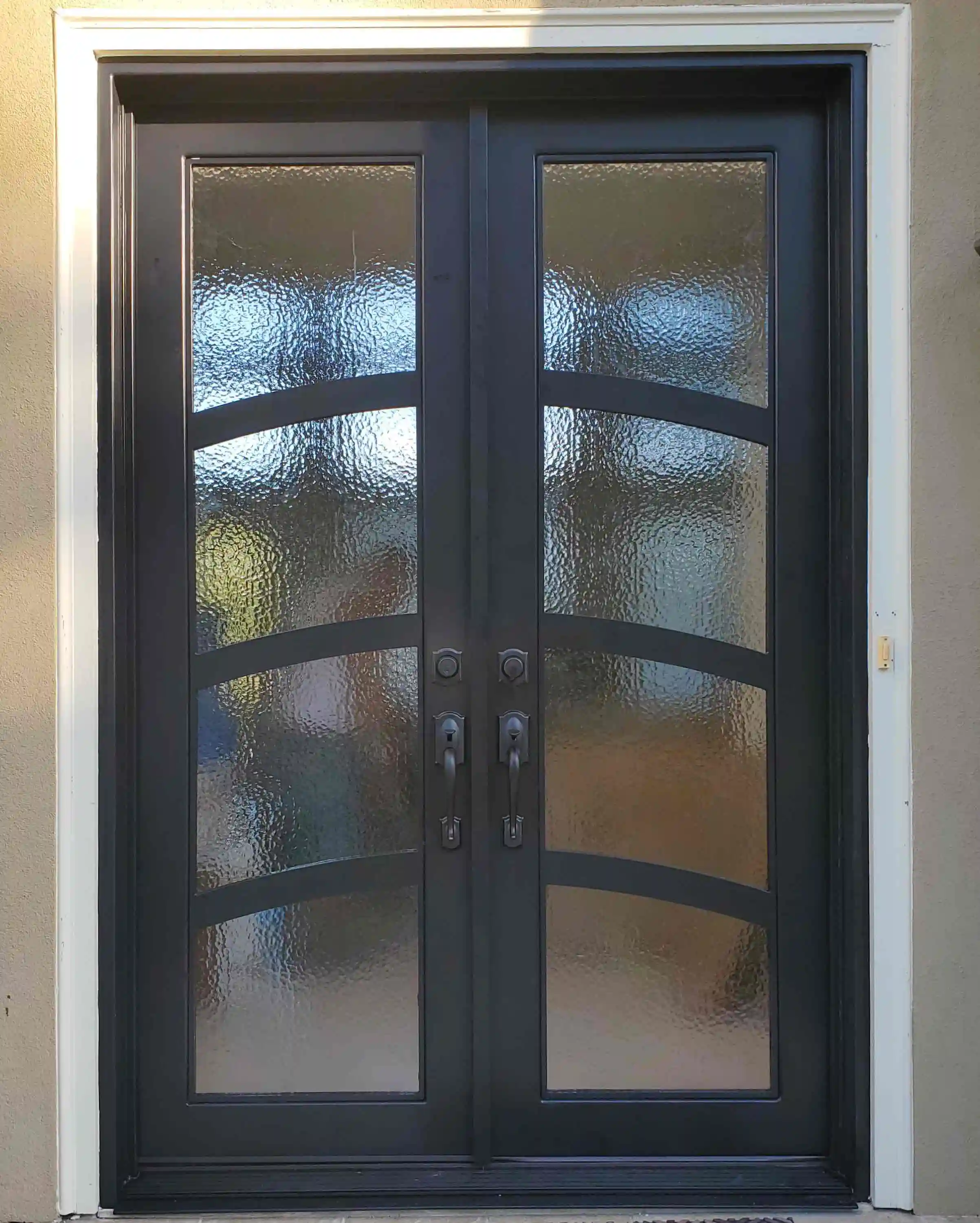
Fogging between panes, cracked glass, loose glazing, or glass that no longer suits the privacy needs of the home can also shape the scope. A glass issue may be repairable on its own, but it is worth considering the whole entry if the door is also difficult to operate, drafty, or nearing a design change. The front door privacy glass guide can help you think through daylight, sightlines, and texture before choosing a new configuration.
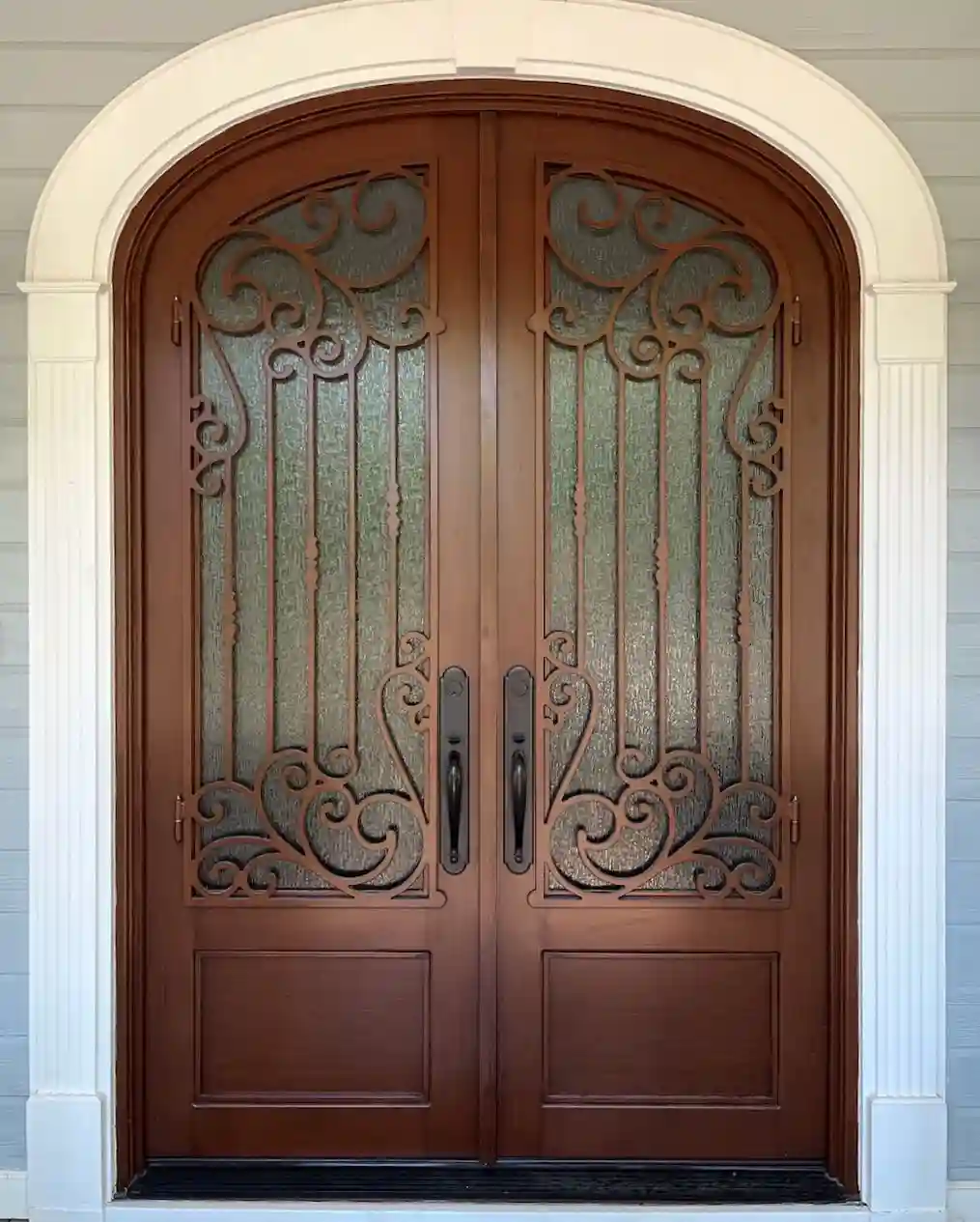
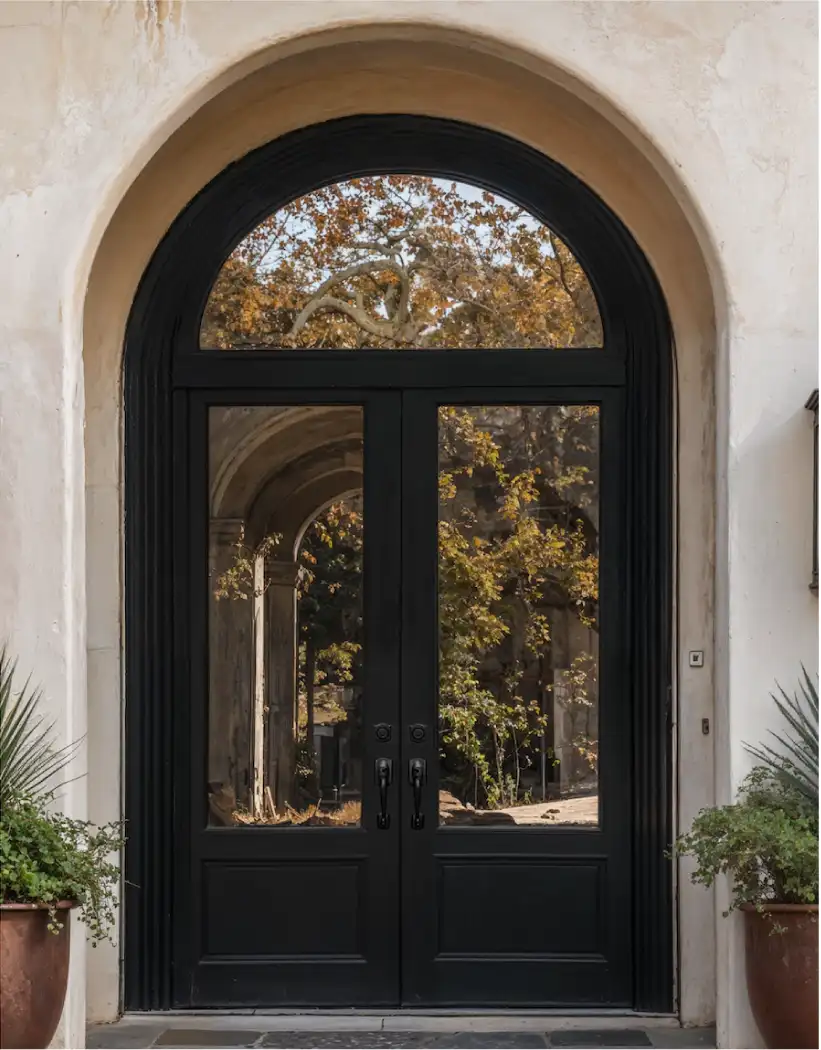
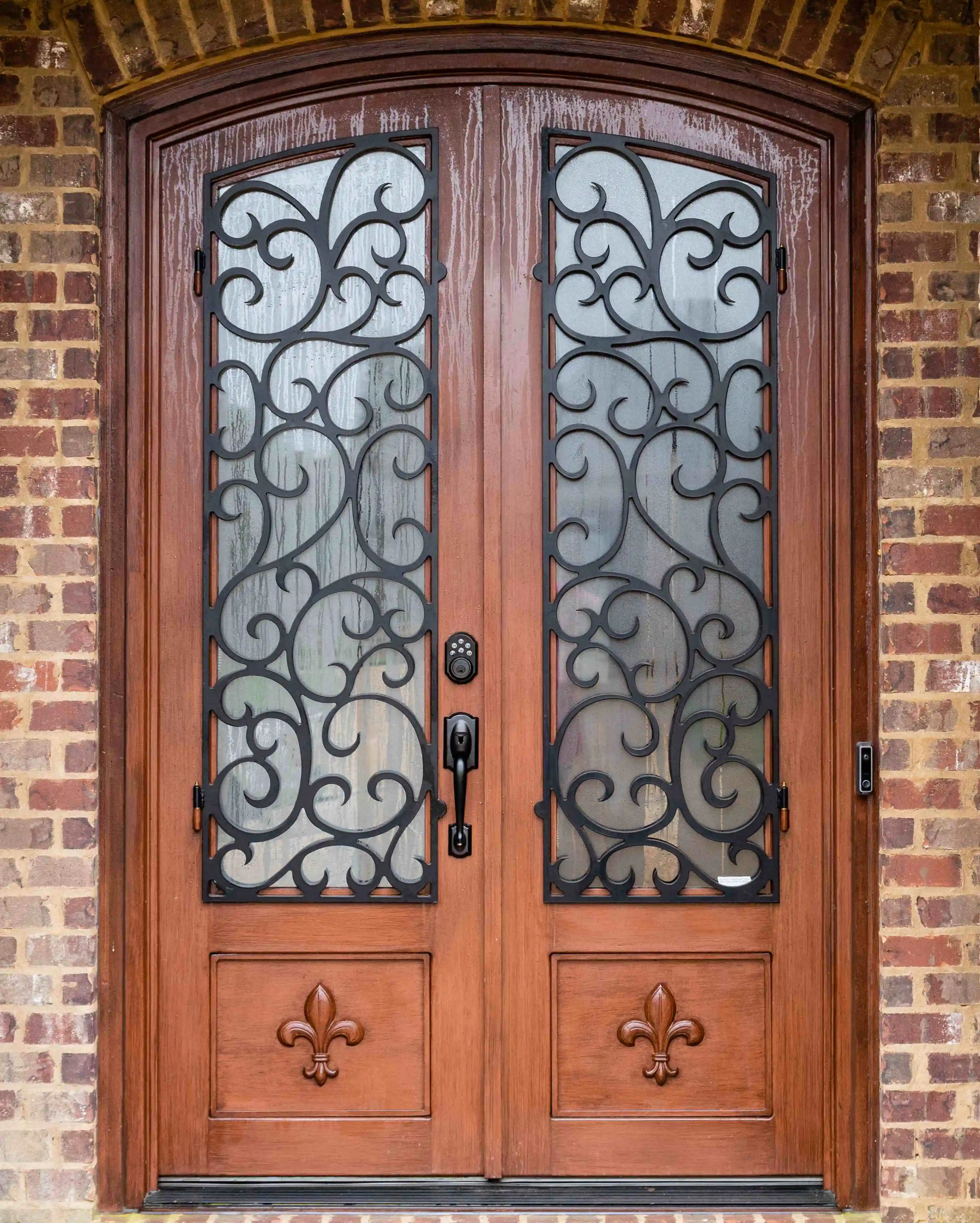
Think about the entry as it is actually used. A family may need a door that manages daily traffic gracefully. A double-door entry needs both leaves to meet cleanly. A tall or arched opening may need proportion and hardware planned together. Those are not cosmetic afterthoughts. They are the details that make a new entry feel natural every day.
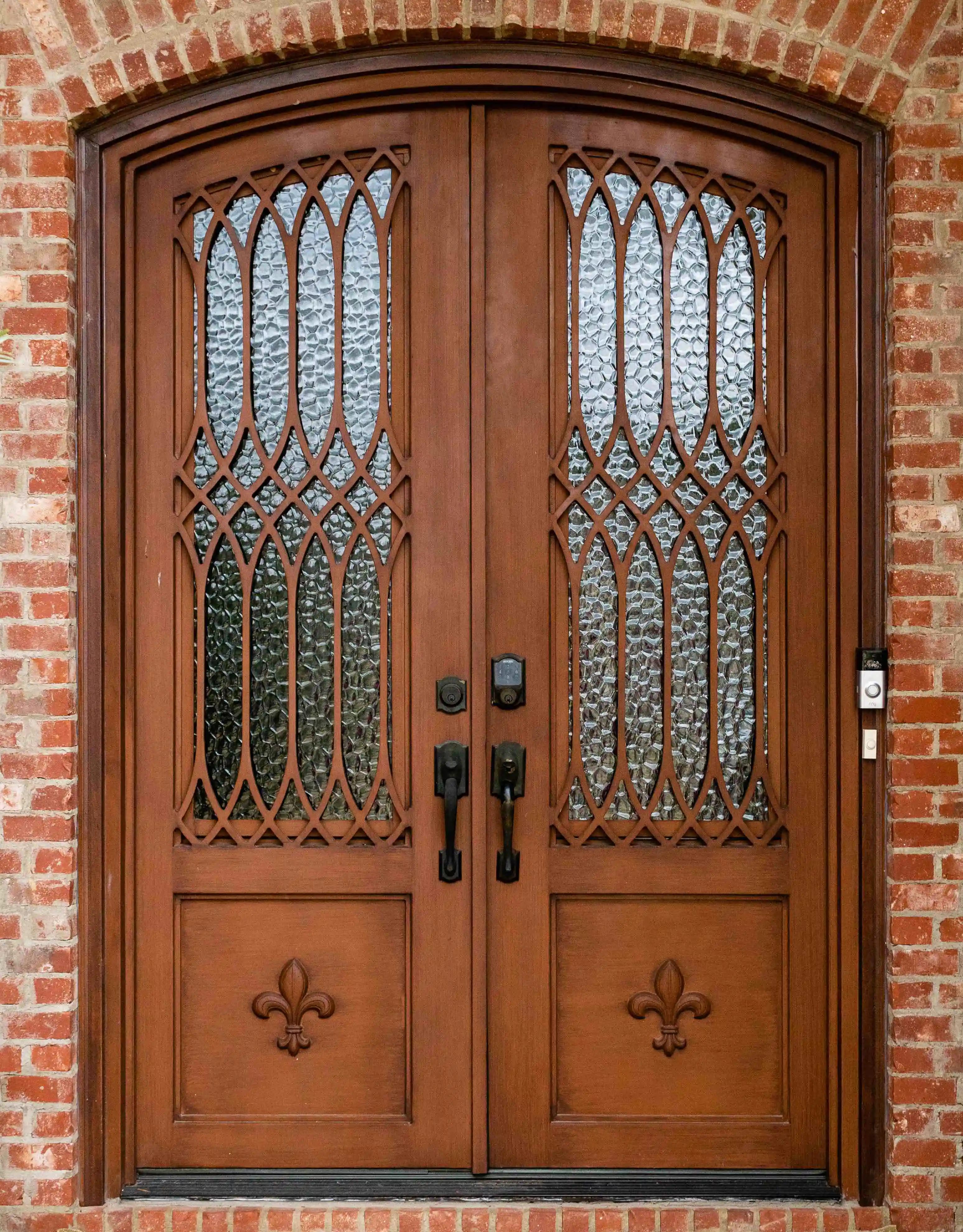
Plan a front door replacement around the opening
Before selecting a door, gather useful information about the opening. Take straight-on exterior and interior photos, then photograph the threshold, lower frame corners, hinges, latch, weatherstripping, and any evidence of water. Measure the width, height, depth, swing, sidelights, and nearby trim. The front door measurement guide offers a practical list of the details that influence a smooth replacement.
Ask what needs to improve beyond the immediate failure. Perhaps the current door is too dark, lacks privacy, does not fit the architecture, or feels undersized for the elevation. Perhaps the opening has enough width for sidelights or needs a better threshold and frame before the visible door changes. A strong replacement plan addresses the active problem, then makes room for the entry the home actually needs.
When a new slab will be installed into an existing frame, confirm that the frame is dry, square, compatible with the hinge and lock preparation, and able to seal the new door evenly. When those conditions are not present, a full-frame system creates a more dependable starting point because the door, hinges, weatherstripping, and threshold are designed to work together.
Consider a complete custom entry when replacement changes the whole arrival
Replacement is sometimes a chance to do more than correct a failing door. A custom iron entry can be built around a large opening, an arched profile, double doors, sidelights, the amount of daylight you want, and the level of privacy the home needs. That work starts with the opening and its conditions, not a stock size chosen before the details are understood.
Luxury Iron Doors helps homeowners plan the entry as a complete system, including the configuration, proportion, glass, finish, and practical details that affect how it works. If the frame, threshold, or water management is part of the concern, those conditions belong in the first conversation. Explore custom iron front doors, browse the door collection, or share the opening and the questions you are trying to solve.
A door does not need to fail completely before you begin planning. Addressing recurring water, operation, or security concerns early gives you more time to make an informed decision and helps protect the home from a small condition becoming a larger repair.
Plan the whole entry
A better front door starts with an honest look at the opening.
When replacement is the right next step, Luxury Iron Doors can help shape a complete entry around the architecture, glass, proportion, and daily use of the home.
Request a quoteFrequently asked questions
How do I know if my front door needs replacement?+
Consider replacement when problems involve the door or opening itself: persistent drafts after basic repairs, recurring water, rot, corrosion, warped material, cracked glass, unreliable locking, or a frame that no longer holds the door square. A single worn weatherstrip, loose hinge, or failing latch may still be a focused repair.
Can a drafty front door be repaired?+
Often, yes. Check the weatherstripping, sweep, hinge adjustment, threshold, and latch alignment first. If the door still does not seal evenly after those parts are corrected, or if water and frame damage are present, the opening deserves a fuller evaluation before another temporary repair.
Should I replace just the door slab or the full frame?+
A slab-only replacement can work when the existing frame is dry, solid, square, and compatible with the new door. A full-frame unit is usually the more dependable path when the jambs, threshold, weather seal, or rough opening have deteriorated, or when the new design changes the configuration.
What should I photograph before requesting a front door quote?+
Take straight-on exterior and interior photos, plus close-ups of the threshold, lower corners, hinges, latch, weatherstripping, any stains or soft material, and the whole facade. Approximate opening dimensions and a note about when the problem appears make the first conversation much more useful.