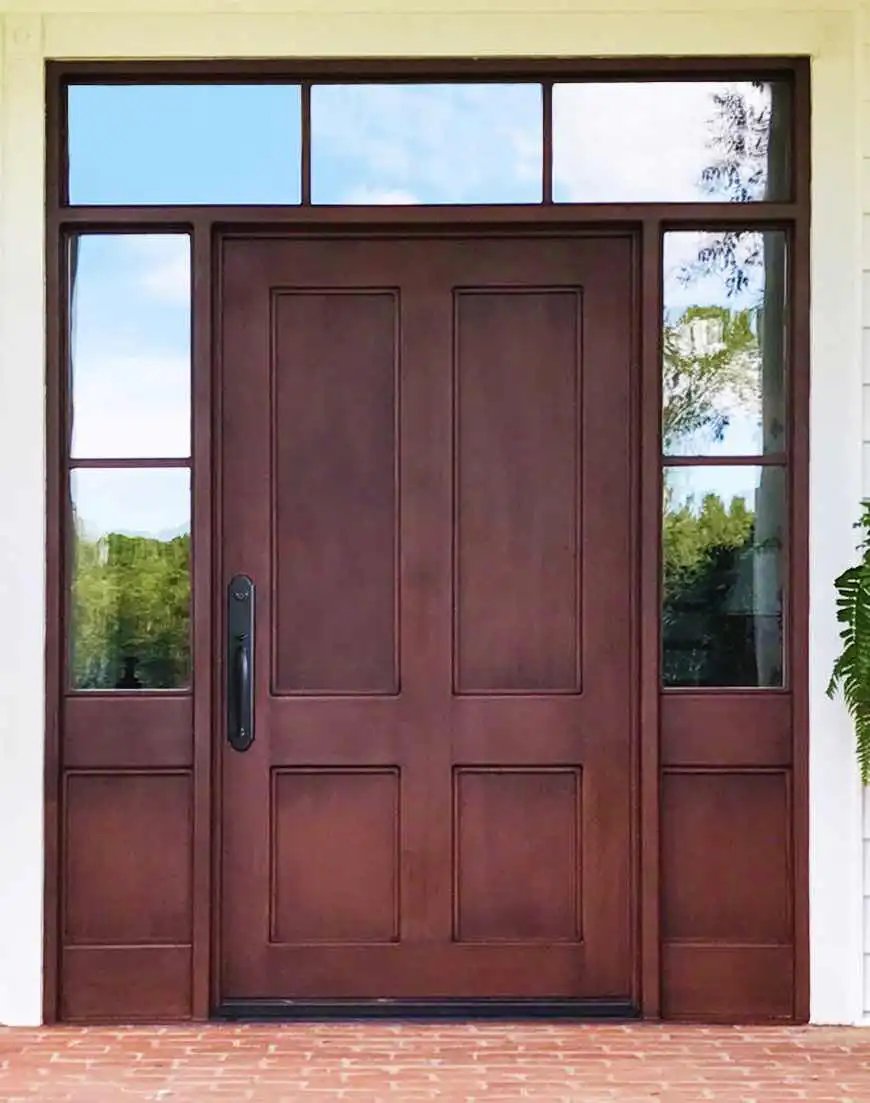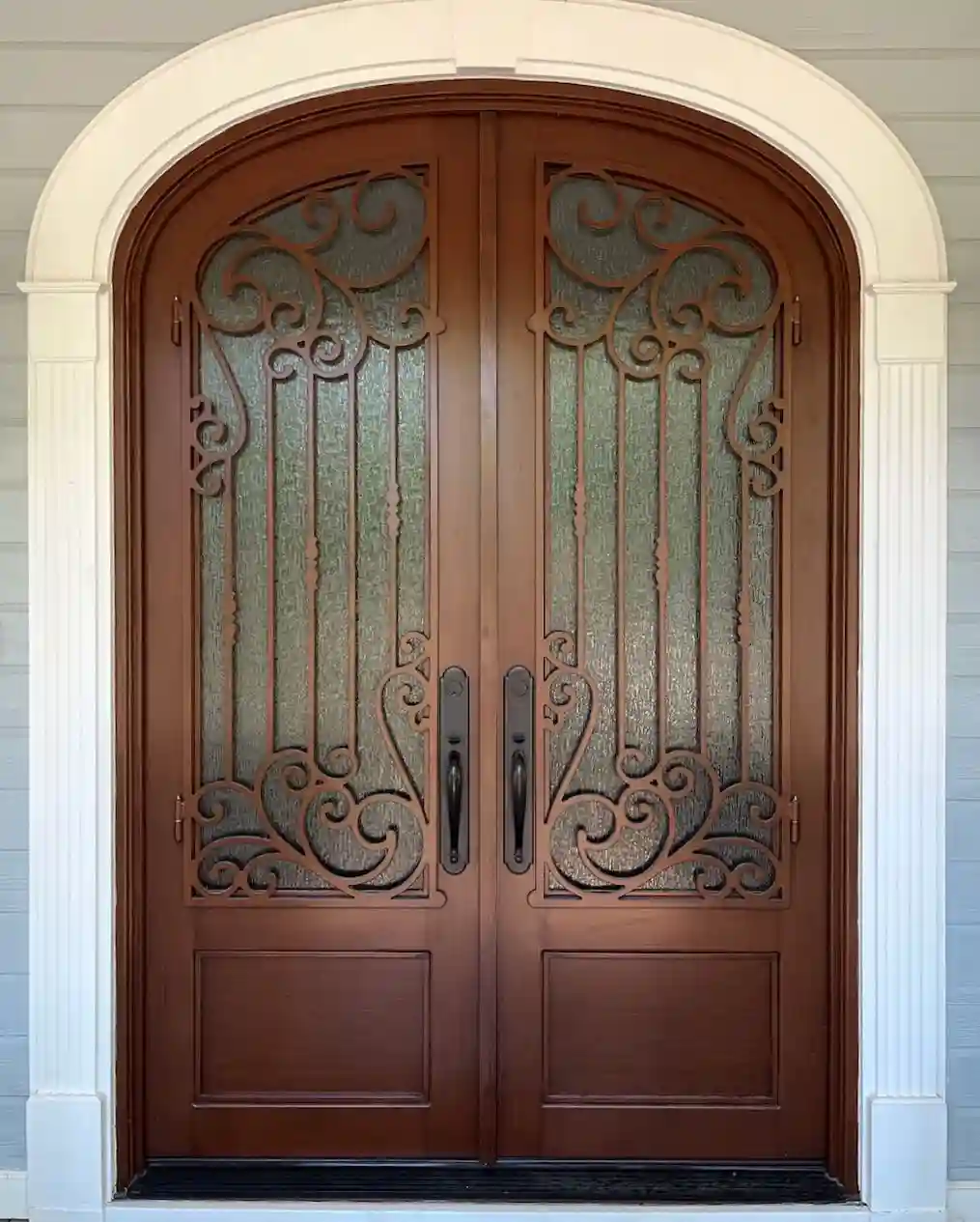
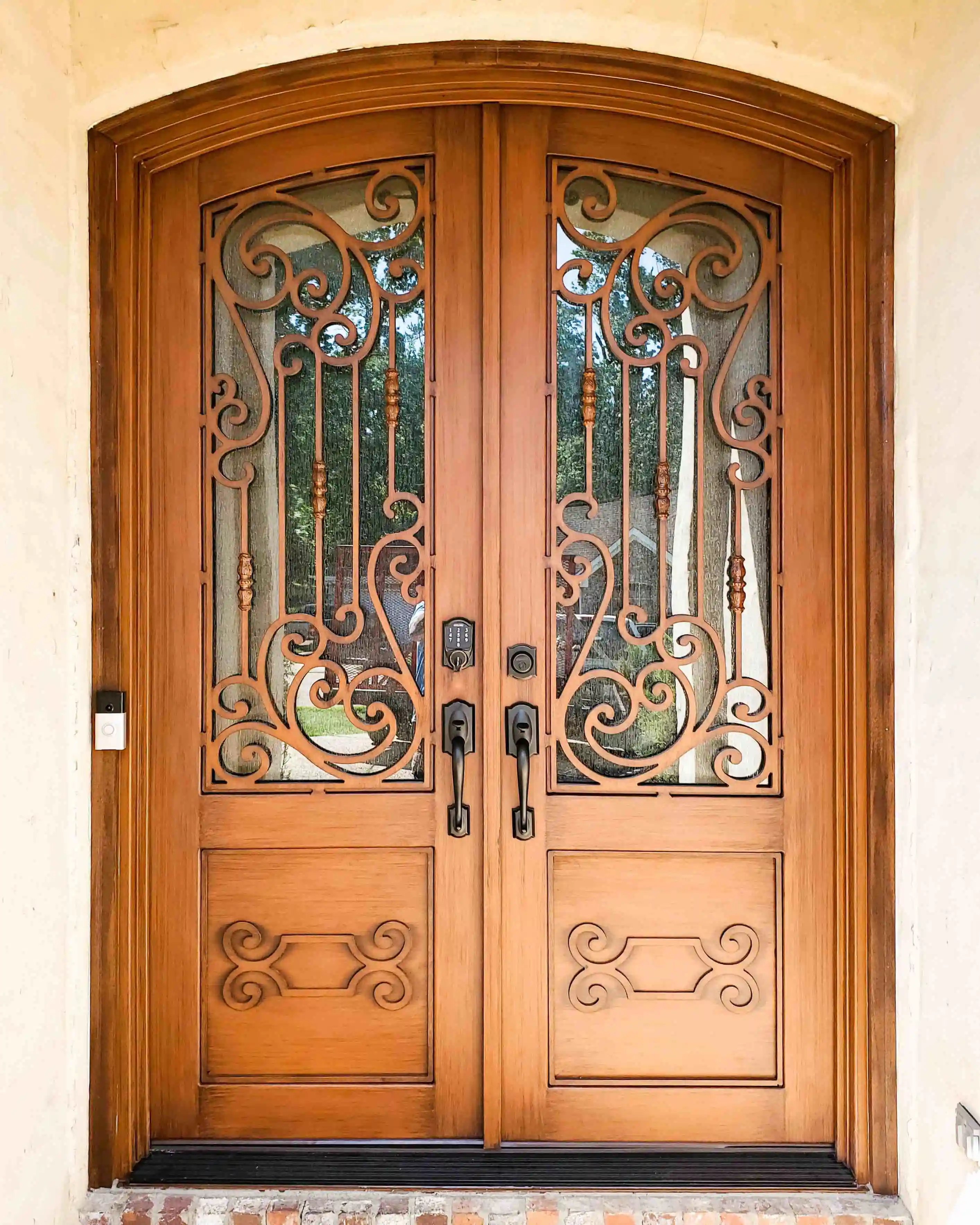
A front door that will not latch is frustrating, but it is also useful information. The latch, hinges, strike plate, weather seal, frame, and threshold are meant to meet in a specific relationship. When that relationship changes, forcing the door shut can wear the hardware and hide the cause. A few careful observations can tell you whether you are dealing with a small alignment correction or a larger opening concern.
Start with a simple goal: the door should close smoothly, latch with normal hand pressure, lock without a shove or lift, and meet its weather seal evenly. This guide walks through a safe order for diagnosing a front door that will not latch. It does not ask you to force a heavy door, plane an edge, or move hardware before you know what changed.
First, notice what the door is doing
Close the door slowly and watch the last inch of travel. Does the latch touch the strike plate above, below, or beside the opening? Does the door bounce back open? Does it close only when you lift the handle, pull the door toward you, or push hard near the lock? Each pattern is different, and those differences matter more than how loudly the latch clicks.
Look at the reveal, the narrow gap around the top and both sides of the door. It does not need to be mathematically identical, but a sudden tight upper corner, an open gap at the lower latch side, or a rub mark at the threshold gives you a useful clue. Note whether the door changed after a storm, a humid season, a new weatherstrip, a hardware change, or impact. Take photos before moving anything, including the hinge side, latch side, threshold, and the strike plate.
Visible daylight or a loose-fitting exterior door can also signal an air leak. The U.S. Department of Energy advises correcting loose hinges, knobs, and strike plates as needed before adding weatherstripping in its exterior-door weatherstripping guidance. That sequence matters: thicker material can make a door harder to latch if alignment is the real issue.
Test the latch before changing the strike
With the door open, turn the handle or lever several times. The spring latch should retract fully and extend again without sticking. Then close the door gently and use the handle normally. A latch that moves poorly even with the door open may be a hardware problem. A latch that works freely in open air but misses the strike when the door is closed is more likely an alignment problem.
Use a temporary transfer mark to see exactly where the latch lands. A small amount of washable chalk on the tip of the latch, or a removable marking material, can leave a mark on the strike plate after you close the door gently. Schlage uses the same basic idea in its latch-and-strike troubleshooting advice: the mark shows whether the hardware is rubbing and which direction the adjustment needs to go. Wipe the mark away after the test and avoid anything that could stain a painted surface or finished metal.
Also test the deadbolt with the door open, then with it closed. A deadbolt should extend and retract cleanly. If it drags or hits the strike area when closed, Schlage recommends checking the strike or jamb alignment rather than forcing the bolt. A door that will not latch and a deadbolt that will not throw are not two separate annoyances. Together, they are a reason to stop and assess the complete opening.
Check hinges and the reveal before you blame the strike
When the latch mark sits low on the strike plate, a door that has sagged toward the latch side is a common possibility. Begin at the top hinge. With the door partly open, gently lift the outer edge while watching for movement at the hinge leaves or screw heads. Look for screws that are visibly loose, a hinge leaf that is bent, cracked paint around the screws, or a screw that turns without gripping.
It is reasonable to tighten a visibly loose screw if it still bites firmly. Work one screw at a time, then close and test the door again. Do not overtighten, and do not assume a longer screw is a universal answer. A spinning screw, soft jamb material, repeated moisture, a heavy specialty door, or a bent hinge needs a more considered repair. The existing front door hinge adjustment guide explains how to read the reveal and separate a minor correction from a problem involving the frame, sill, or opening.
Door position can change because of movement beyond the hinge. If the reveal is uneven, the jamb is cracked, the door rubs a fixed point, or the latch changes with the weather, the strike plate may only be showing the symptom. Moving it too early can give you a door that catches today but no longer seals evenly or locks cleanly tomorrow.
Make a measured strike-plate correction only when the door is sound
A slight strike-plate correction can be appropriate when the door hangs evenly, moves freely, and the transfer mark is only a small distance from the opening. Mark the current strike-plate position with a light pencil line or take a clear close-up photo first. That gives you a way back if a small adjustment makes the fit worse.
Check that the plate is tight and that its opening gives the latch enough room to extend. Do not enlarge, chisel, or move the opening as the first response to a door that rubs or needs to be lifted. That can remove material needed for a secure fit while leaving the real movement untouched. Manufacturer instructions for a replacement lock should always govern the exact preparation and fasteners for that hardware.
After one small correction, close the door normally several times. Test the latch, the deadbolt, the handle, and the weather seal. The correct result is not simply a click. The door should latch without force, lock without dragging, and maintain a reasonable, even compression on the seal. If it starts to bind, stop instead of compensating somewhere else.
Security belongs in that check. A latch or deadbolt needs sound material behind it, not just a plate that happens to meet the bolt. Consumer Reports’ entry-door buying guidance notes that reinforced strike hardware and longer screws that reach the framing can strengthen the jamb. That work should follow the hardware manufacturer’s requirements and is best left to a qualified professional when the frame is damaged or the door is a heavy custom system.
Check the seal, threshold, and frame when the problem keeps returning
A door can latch and still be out of balance. Run a simple paper test around the weatherstripping with the door closed. The paper should have similar resistance around the perimeter. If it slips freely at one point and is crushed at another, the door may be meeting the seal unevenly. That is a useful clue for the weatherstripping inspection, but it is not a reason to pile on thicker weatherstrip before the door fits correctly.
Look closely at the lower corners and threshold. Water staining, soft wood, corroded fasteners, swollen trim, peeling finish, a threshold that stays wet, or a door that scrapes the sill can point beyond the latch. The Building Science Education resource on flashing around door openings explains why water control matters: doors interrupt the wall’s drainage plane, and leakage can stay hidden until it affects material behind the trim.
When you see recurring moisture, a cracked jamb, a failed threshold, or an opening that no longer looks square, pause the do-it-yourself repair. The front door frame replacement guide can help you identify the evidence worth photographing before a repair conversation. If the problem is concentrated at the bottom of the door, the bottom-of-door gap guide and threshold guide explain how to separate a worn seal from a condition affecting the opening itself.
Protect a substantial custom entry while you diagnose the problem
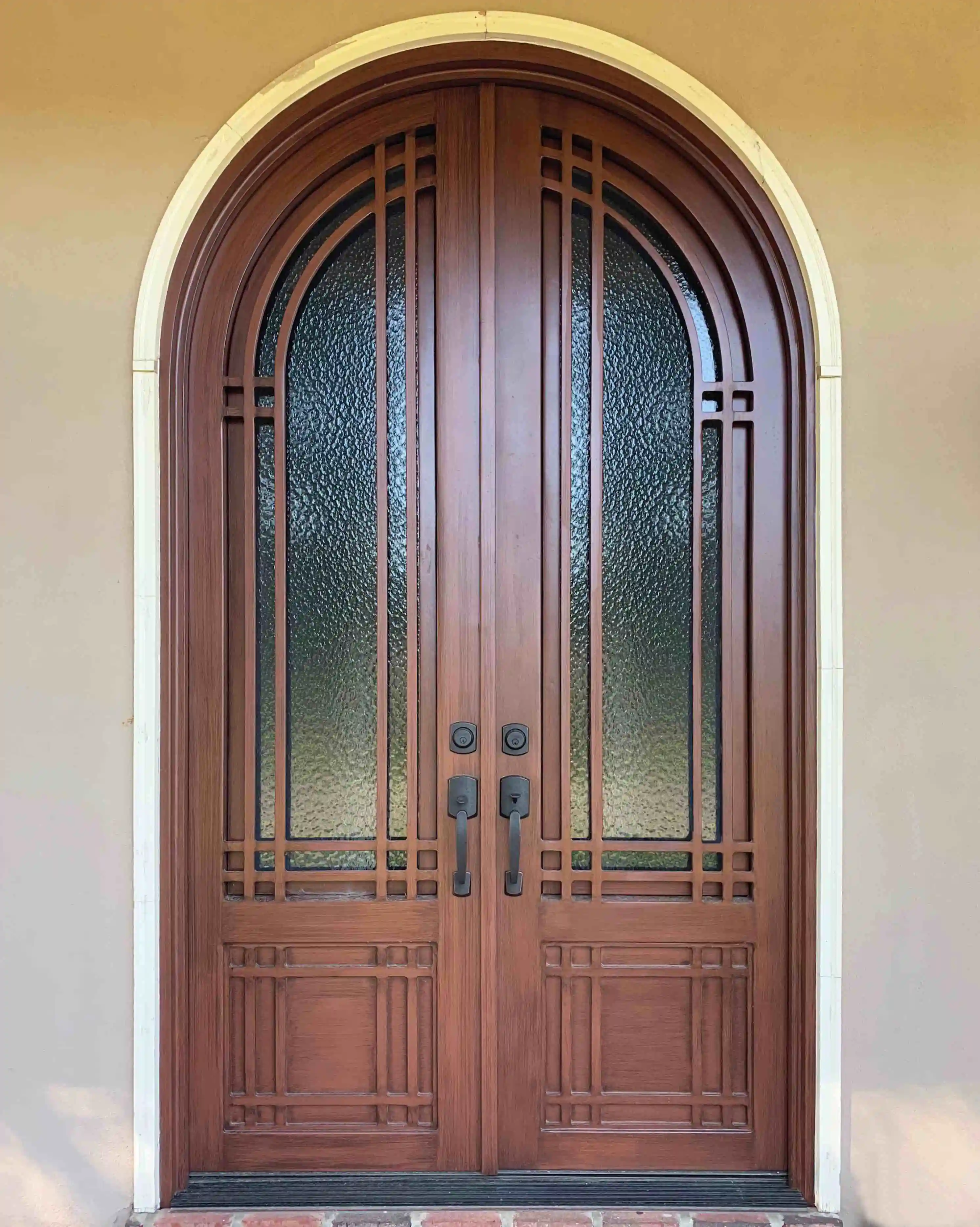
For a custom iron entry, the latch is only one detail in a heavier system that can include finished metal, glass, multi-panel configurations, decorative work, specialized seals, and multipoint hardware. The right response is measured observation, not a hard pull on the handle or an improvised shim behind the strike plate.
Start with the questions that reveal the whole condition. Is the latch missing the strike, or is the door sagging? Is the threshold draining and staying dry? Are the gaps changing with weather? Is the active leaf of a double door meeting the other leaf cleanly? Clear photos and a short description of when the problem began will make an assessment more useful than a guess at one piece of hardware.
Luxury Iron Doors plans custom entries around the entire opening, including configuration, glass, proportion, finish, and day-to-day operation. If the frame, threshold, or door system is part of the concern, explore custom iron front doors, review the door collection, or start a conversation about a complete entry solution.
Start with the opening
A front door should close easily, seal evenly, and lock with confidence.
When the issue reaches beyond a small hardware correction, Luxury Iron Doors can help plan a complete entry around the home and the way it needs to work every day.
Request a quoteFrequently asked questions
Why won't my front door latch unless I lift it?+
Needing to lift the door usually means the latch and strike plate are no longer meeting at the same height. A loose or worn hinge can let the latch side of the door drop, but frame movement, threshold contact, or seasonal swelling can also be involved. Tighten only a visibly loose screw that still grips securely, then recheck the reveal before moving the strike plate.
Can I adjust the strike plate myself?+
A minor strike-plate adjustment can be reasonable when the door hangs evenly, closes without rubbing, and the latch is only slightly high, low, or shallow. If the door needs force, has uneven gaps, or shows moisture damage, changing the strike plate can conceal a larger problem. Diagnose the door and frame first.
Why does my door latch in one season but not another?+
Wood, trim, and the surrounding structure can respond to moisture and temperature changes. A recurring seasonal change is still worth documenting, especially if the door also rubs, the weather seal is uneven, or the threshold stays wet. A small shift can point to a condition that needs attention before it damages the frame or finish.
Is a front door that will not latch a security concern?+
Yes. If the latch does not catch, the door may not stay closed and the deadbolt may not line up cleanly. Until the entry can be repaired, do not rely on a door that needs to be forced closed. If the door cannot be secured normally, contact a qualified door or lock professional promptly.