When a front door drags, rubs, or needs to be lifted to latch, the temptation is to start turning screws. Sometimes that is the right first move. Just as often, a hinge is only where a larger alignment or moisture problem becomes visible. A careful check takes a few minutes and can keep a small adjustment from becoming a damaged frame, stripped screw hole, or compromised seal.
Front door hinge adjustment begins with diagnosis, not force. The goal is a door that hangs evenly, closes without a shove, latches cleanly, and meets its weatherstripping consistently. This guide explains what to look for, which small corrections can be reasonable, and when the opening needs professional attention.
Read the way the door is sitting
Begin with the door closed. Look at the reveal, the narrow gap around the top and both sides of the door. It should look reasonably even. A tight upper corner on the latch side, a gap that widens toward the bottom, a door that rubs the threshold, or daylight concentrated at one point all tell a different story. Open and close the door slowly from both sides. Notice whether it drags, springs back, catches, or needs to be lifted before the latch reaches the strike plate.
Next, check the simple things without changing anything. Look for loose or missing hinge screws, a hinge leaf that is visibly bent, wear around the screw holes, rubbing marks on the jamb, and a loose strike plate. The U.S. Department of Energy notes that a loose-fitting exterior door and visible daylight are common air-leakage signs, and recommends correcting loose hinges, knobs, and strike plates before fitting weatherstripping in its exterior-door weatherization job aid.
Take a few photos before moving hardware: a straight-on exterior view, the hinge side, the latch side, the threshold, and each hinge. The photos provide a useful baseline if the problem returns or a door professional needs to understand what has changed.
Inspect the hinges and screws first
Hinges support the door’s weight and establish its position in the frame. Start at the top hinge, which often carries the clearest sign of a door beginning to sag. With the door partly open, gently lift the handle or outer edge while watching the hinge leaves. Noticeable movement can point to loose screws, a worn hinge, or a screw hole that no longer has solid material behind it.
Tighten a screw only when it is visibly loose and still grips firmly. Work one screw at a time, then operate the door again. Do not overtighten. A spinning screw, cracked jamb material, or an oversized hole is not an invitation to keep driving a longer fastener blindly. On an exterior door, the hardware, frame, weather seal, and sometimes decorative trim or metalwork need to stay in their intended relationship.
It is also important to identify the hinge before treating it as adjustable. Some exterior door hinges have manufacturer-provided adjustment points. Many traditional butt hinges do not. A self-closing spring hinge has a tension adjustment that changes closing force, not necessarily door alignment. If you cannot identify the hinge type or the door is part of a specialty system, find the maker’s instructions or leave the adjustment to the installer.
Separate a latch issue from an alignment issue
A latch that misses the strike plate does not automatically mean the strike plate is the problem. First watch where the latch meets the plate while closing the door. If the door is level, clears the frame, and the latch is only slightly high, low, or shallow, a small strike-plate correction may be appropriate. If the door rubs, sags, or needs to be lifted, changing the strike plate first can hide the movement instead of correcting it.
Check the seal at the same time. A door adjusted only to latch can still leave an uneven gap that invites drafts or rain. The site’s front door weatherstripping guide explains how a paper test around the perimeter can reveal whether the door is meeting the seal consistently. If one edge grips paper while another lets it slide freely, the answer may be alignment, not thicker weatherstripping.
Use the lock and latch as a safety check, not as a place to force a fix. A door should not need a shoulder, a hard pull, or repeated handle movement to close securely. Excessive force can wear lock hardware, bend a latch, scar the finish, and make an underlying frame issue harder to read.
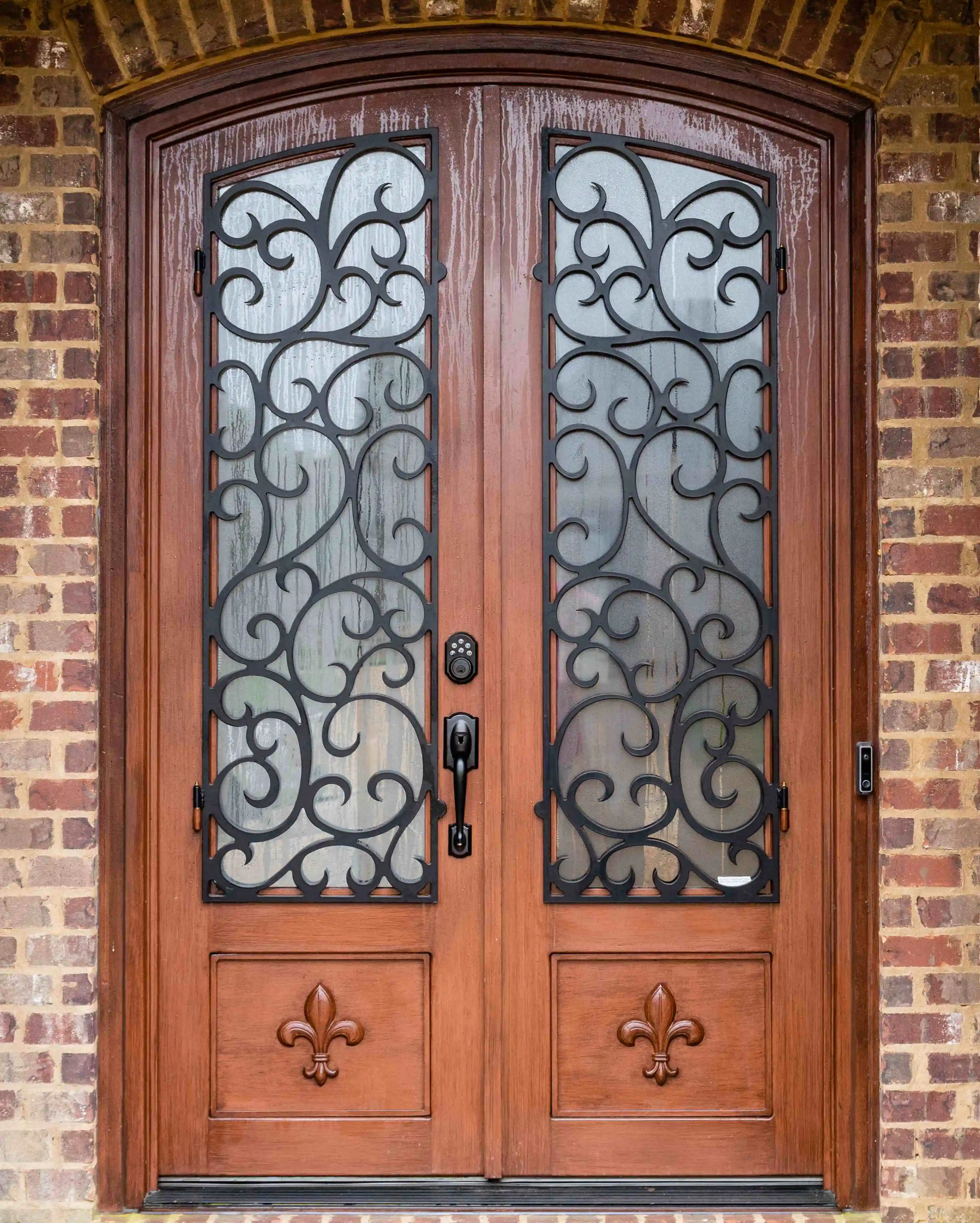
Make only the adjustment the door needs
For a sound door with a minor issue, move in a deliberate order. First tighten any loose screws that still have secure purchase. Close the door and recheck the reveal, latch, and threshold clearance. If that corrects the problem, stop there. A small correction that restores normal operation is better than a stack of changes that becomes difficult to reverse.
Work methodically. Mark the starting position of any manufacturer-provided adjustment point with a removable pencil reference or take a close photo before changing it. Make one small movement, close and latch the door, then check the same gap and contact point again. This gives you a reliable comparison and prevents an easy adjustment from becoming a guessing game. If the result gets worse, return to the recorded starting position rather than compensating elsewhere.
If a manufacturer has supplied a specific adjustment method, use that method and make small changes. Keep the door supported while working if the instructions require it. Check the door after each adjustment rather than turning every point at once. The aim is not a perfectly mathematical gap. It is an entry that operates smoothly, locks reliably, and meets the weather seal without crushing it.
Do not plane, bend, pack, or shim a door as a first response to a problem you have not identified. Those measures can be part of a proper repair, but they can also conceal water damage, a shifting frame, or a threshold that has changed the geometry of the opening. Home Depot’s practical front-door weatherproofing guide similarly begins with loose screws and alignment before adding or replacing seals.
Know when the frame or threshold is involved
A hinge adjustment cannot solve every misaligned door. Pause and look beyond the hardware when you see soft or cracked wood, recurring moisture, corrosion, swollen trim, a threshold that has lifted or failed, a door that changed position after a storm, or a gap that grows and shrinks with the seasons. Those are clues that the jamb, sill, framing, drainage, or the opening itself deserves inspection.
The lower corners are especially important. Water can enter at the threshold, move behind trim, and weaken the material that holds a hinge or keeps the door square. A door that drags at the threshold may be responding to a loose hinge, but it may also be showing a damaged sill, an out-of-level threshold, or a frame that has moved. The front door frame replacement guide shows what to inspect before deciding whether repair or full-frame work makes better sense.
Look for patterns, not isolated marks. Peeling paint at the lower hinge side after every wet season, a threshold that stays damp after rain, or a door that closes differently on humid days all give a professional useful clues. Do not cover active staining with fresh caulk or paint before documenting it. Those finishes can be the last step of a sound repair, but they cannot correct the route water took to get behind the frame.
When the issue is at the bottom of the opening, inspect the threshold, sweep, seal, and drainage path before adjusting hardware. The threshold replacement guide can help separate a worn gasket from a condition that is allowing water to reach the opening.
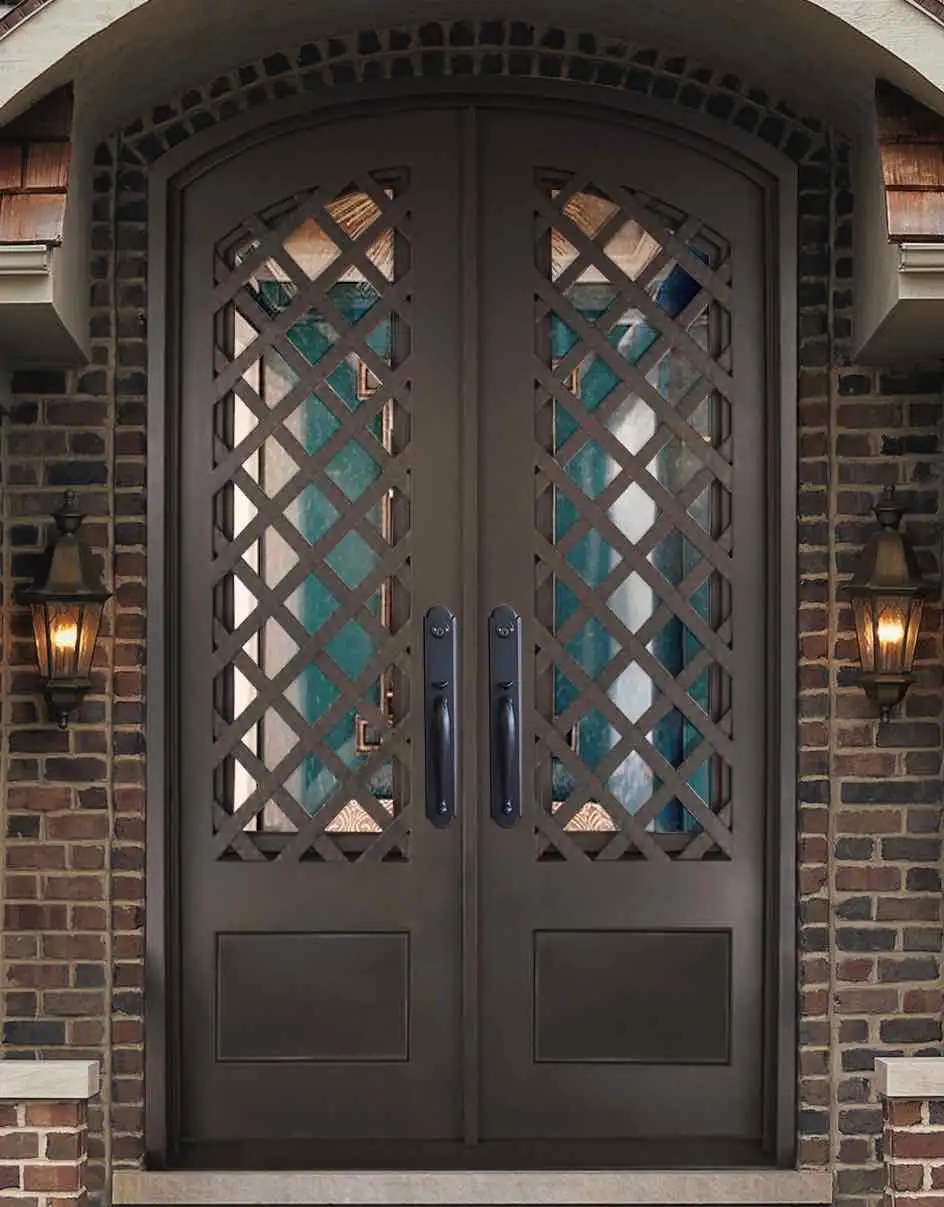
Protect a custom iron entry while you diagnose the problem
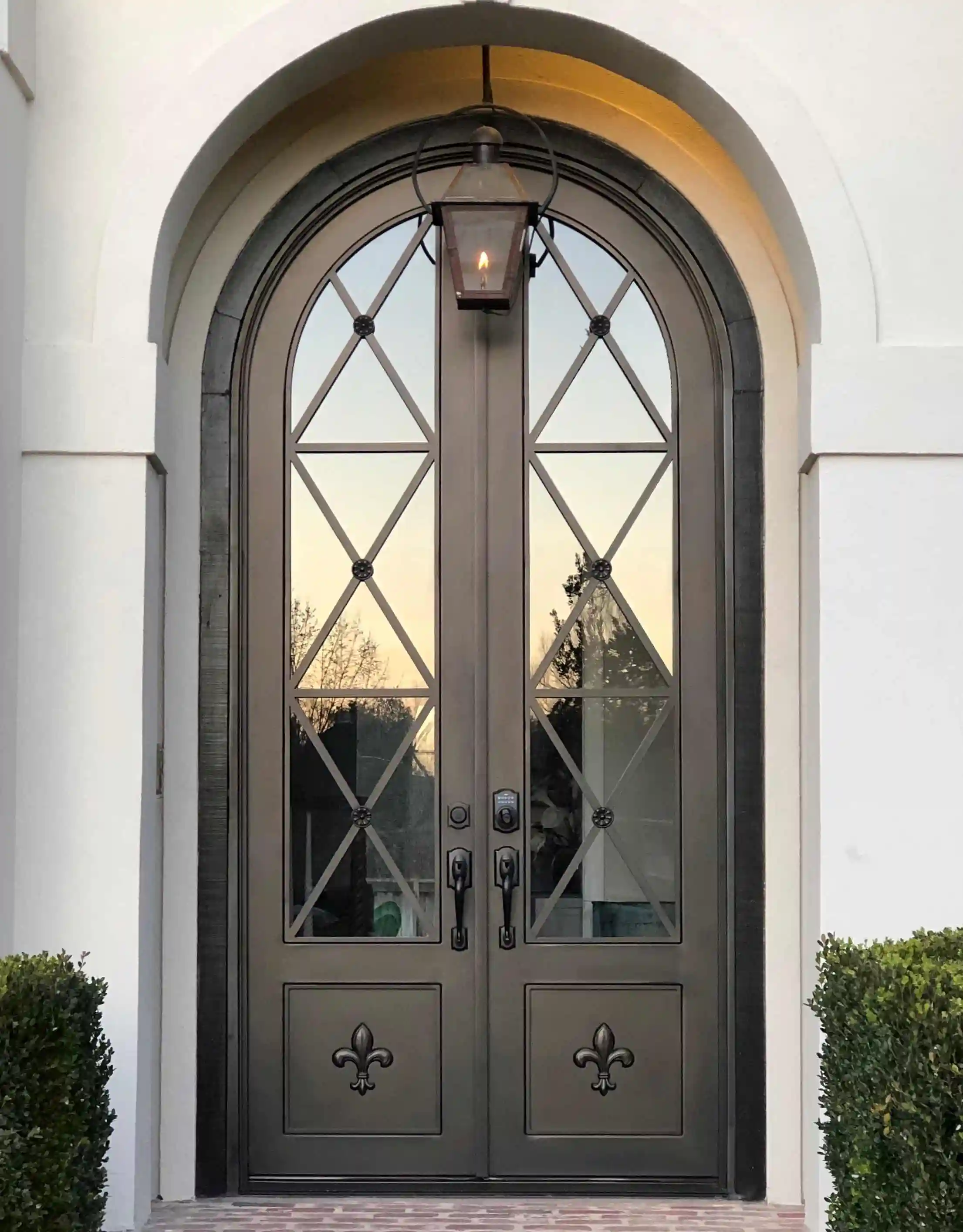
Custom iron doors bring additional details into the picture: finished metal, glass, multi-panel configurations, specialized seals, decorative work, and sometimes multipoint hardware. That is a reason to be more measured, not less. Avoid forcing a heavy door back into position or adding improvised material behind hardware without understanding how the system was designed to operate.
Start with the smallest honest observation. Is a hinge screw loose? Is the threshold holding water? Is the active leaf of a pair of doors meeting the inactive leaf cleanly? Is a latch problem actually a sagging door? Those answers help determine whether a maintenance adjustment is sensible or the complete opening needs attention.
Luxury Iron Doors plans custom entries around the opening, glass, proportion, finish, and daily use of the home. When a door is no longer operating as it should, clear photos and measurements provide a better starting point than a guess at the hinge. Explore iron front doors, browse the door collection, or request a conversation about a complete entry solution.
Start with the opening
A lasting adjustment begins with a door that fits the whole system.
When the frame, threshold, or configuration is part of the issue, Luxury Iron Doors can help plan an entry around the home and the way it needs to work every day.
Request a quoteFrequently asked questions
Can I adjust a front door by tightening the hinges?+
Sometimes. Tightening a visibly loose screw that still bites securely can bring a door back into position. If the screw spins, the hinge is bent, the door is heavy, or the gap remains uneven, stop before forcing a hardware fix. The cause may be the frame, threshold, or opening instead.
Why does my front door need to be lifted to latch?+
A door that needs lifting commonly has sagged toward the latch side, but loose hinges are only one possible cause. Check the hinge screws, reveal around the door, threshold contact, and frame condition. Recurring water, soft wood, or an uneven opening needs a fuller assessment.
Should I adjust the strike plate before the hinges?+
First confirm that the door is hanging and closing evenly. A strike plate can be adjusted for a minor latch mismatch, but moving it to compensate for a sagging or rubbing door can mask the problem and make the seal worse.
When should I call a door professional?+
Call for help when there is water intrusion, corrosion, soft or cracked frame material, broken glass, a failed threshold, a door that will not latch securely, or a large gap that changes with the weather. These are system problems, not simply hinge adjustments.